
Home / The Dirt / Hydroponic spices / Growing Anise Hydroponically
Growing Anise Hydroponically
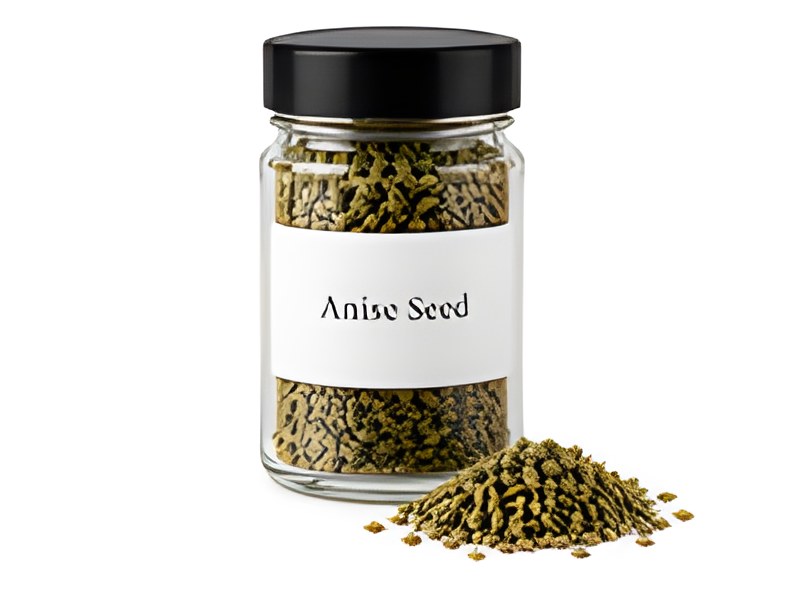
Anise (Pimpinella anisum), also called aniseed, is an annual in the parsley family (Apiaceae) grown for its fragrant seeds and leaves. Here's a brief overview of the plant, the chemistry of its seeds, and what researchers have found when they grew it hydroponically.
What Anise Is
Anise is a small annual, about 1.5 to 2 feet tall, with finely divided, serrated leaves and "tiny whitish flowers in flat clusters." "The leaves and seeds have a warm, sweet taste that suggests licorice" (University of Maryland Extension). The RHS describes the flower heads as "broad, dome-shaped heads of tiny white flowers," followed by the seed pods used as a spice.
What we call the seed is botanically a small ovoid fruit (a schizocarp) that splits into two halves (PROSEA). Anise probably originated in the eastern Mediterranean and is now grown across southern Europe, Turkey, Iran, northern Africa, India, China and the Americas (PROSEA).
One caution: NC State Extension notes that anise is often confused with poison hemlock (Conium maculatum), a deadly relative in the same family. Only eat anise you grew from seed or bought, and never forage a look-alike.
Nutritional Profile of Anise
The USDA record for anise seed (NDB 2002) lists, per 100 g, 337 calories, 17.6 g protein, 15.9 g fat and 50.02 g carbohydrate. A tablespoon (7 g) holds about 1 g fiber, 40 mg calcium, 2.5 mg iron, 10 mg magnesium and 100 mg potassium (USDA data via ReciPal). Anise is used by the pinch, so a serving adds little to a day's food.
Nothing on this page is health or medical advice.
Chemistry of Anise
Dried anise fruits hold about 1.9-3.1% essential oil by steam distillation. That oil is 80-95% (E)-anethole, the compound behind the licorice taste. It also carries up to 5% methyl chavicol (estragole), plus anisaldehyde, and the fruit contains coumarins, flavonoid glycosides and myristicin (PROSEA).
How a plant is fed changes how much oil it makes. In one study, every fertilizer treatment tested (cattle manure, two biofertilizers, and chemical NPK) raised growth, fruit yield and oil content over unfertilized plants; anethole and carvone were the main oil compounds (Hassan & Ali, 2013). In a 2019-2020 field trial, combining biofertilizers with a living clover mulch gave the best seed yield, 930.8 kg per hectare, and 18.15 kg of essential oil per hectare, 48% and 51% more than the control (Acta Scientiarum Polonorum Hortorum Cultus, 2023).
Hydroponics of Anise
What the Research Shows
Published hydroponic research on anise is thin. The one study we found grew anise seedlings hydroponically at five salinity levels: a control, 3, 6, 9 and 12 dS/m. Rising salt cut shoot dry weight by 68% and root dry weight by 79%, and cut chlorophyll a by 66%. The authors called anise "sensitive to salinity at the seedling stage" and found the crop could still give a reasonable yield at low salinity, 1-3 dS/m (Riaz et al., 2018). For a home system, that points to a mild nutrient solution and not letting the reservoir's EC creep up as water evaporates.
Starting Seeds
Anise "grows rapidly from seed" (University of Maryland Extension), but the plants dislike being transplanted, so the RHS advises sowing where they will grow, or in individual pots under glass in cool areas, with extra seed to allow for losses. In a hydroponic setup, that means sowing straight into the plug or cube that goes into the system, so the roots are never disturbed. Field growers soak the seed overnight before sowing (PROSEA).
Light and Space
Anise wants full sun, 6 or more hours of direct light a day (NC State Extension). It can reach 0.5-1 m and may need staking to keep the seed heads up (RHS). Outdoors, plants are thinned to 6 to 8 inches apart (University of Maryland Extension).
Timing
Flowering normally starts 65-75 days after germination, and sowing to ripe seed takes 4-5 months (PROSEA). Leaves can be cut "whenever plants are large enough," and seeds are ready "about 1 month after flowers bloom" (University of Maryland Extension). This is a slow crop for a hydroponic system compared with basil or lettuce; plan the space for it.
Harvest Tips
Seeds are ripe when they turn greyish-green. Commercial growers cut the tops when 80-90% of the fruits have turned, dry them for 4-5 days, then thresh the seed once it is down to 10-12% moisture (PROSEA). At home, cut the seed heads into a paper bag, let them finish drying, and rub the seeds loose.
References
- Acta Scientiarum Polonorum Hortorum Cultus. (2023, December). Inoculating mycorrhiza fungi and growth-promoting bacteria and mulch of plant residues improve yield and essential oil production of anise (Pimpinella anisum L.). Retrieved from https://doaj.org/article/cadb16af49174c8c84673160fed1ed45
- Hassan, F. A. S., & Ali, E. F. (2013). A comparative study between traditional mineral nutrition and alternative sources on anise plant. European Journal of Scientific Research, 106(2), 201-212. Retrieved from https://www.aun.edu.eg/agriculture/node/35540
- NC State Extension. (n.d.). Pimpinella anisum. North Carolina Extension Gardener Plant Toolbox. Retrieved from https://plants.ces.ncsu.edu/plants/pimpinella-anisum
- PROSEA. (n.d.). Pimpinella anisum L. Plant Resources of South-East Asia. Retrieved from https://prosea.prota4u.org/view.aspx?id=605
- ReciPal. (n.d.). Spices, anise seed: nutrition facts (USDA NDB 2002). Retrieved from https://www.recipal.com/ingredients/282-nutrition-facts-calories-protein-carbs-fat-spices-anise-seed
- Riaz, U., Abbasi, G. H., Javeed, Z., & Sardar, A. (2018). Effect of salinity stress on anise (Pimpinella anisum L.) under hydroponic conditions. Retrieved from https://www.researchgate.net/publication/325229142_Effect_of_Salinity_Stress_on_Anise_Pimpinella_anisum_L_under_Hydroponic_Conditions
- Royal Horticultural Society. (n.d.). Pimpinella anisum (aniseed). Retrieved from https://rhs.org.uk/Plants/73715/wd/Details
- University of Maryland Extension. (2023). Anise. Retrieved from https://extension.umd.edu/resource/anise
Keep reading

Growing Chilli Hydroponically
Chilli is native to Latin America, particularly Mexico. Then came the age of exploration, and many cultivars of chilli spread across the globe. Now, chilli is a popular cooking ingredient to add…

Growing Nutmeg Hydroponically
Nutmeg’s walnut-like appearance is often deceiving. Unlike the dry fruit counterpart, nutmeg is a seed whose fruit is also a source of a couple more spices. Here’s a brief overview of nutmeg’s…

Growing Ginger Hydroponically
Ginger is much more than a culinary spice. For ages, its underground rhizome has been an integral part of eastern medicine. An overview of this folk remedy and one of the whole…