
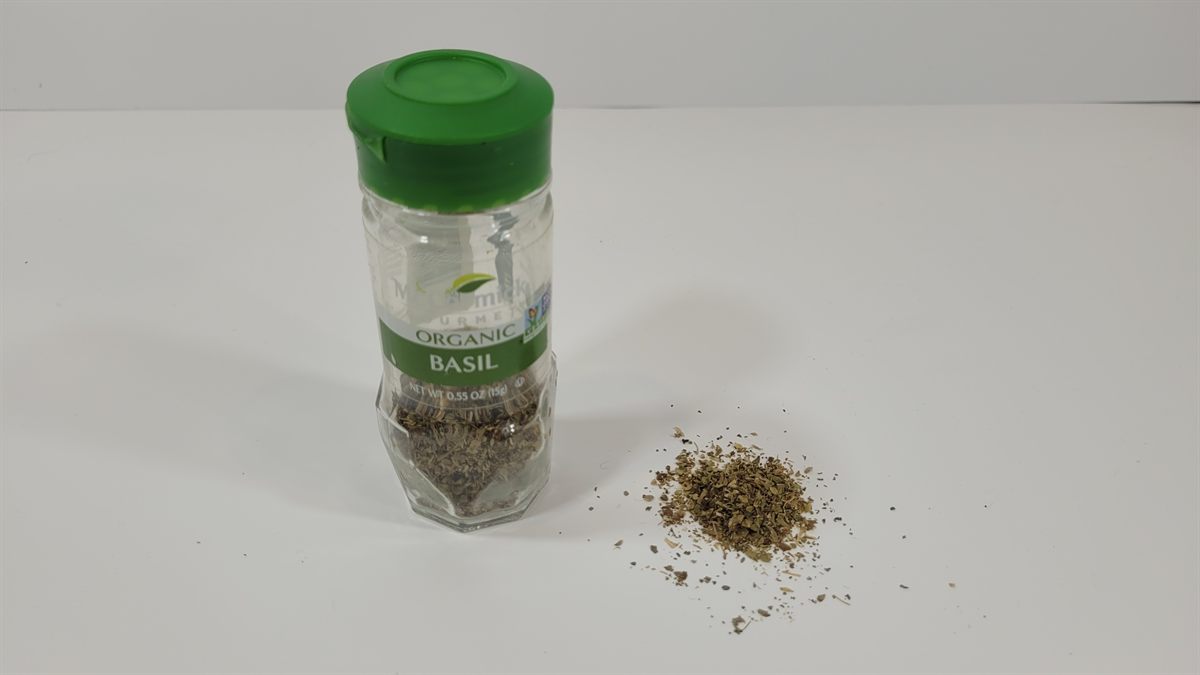
Basil is essentially a herb. But it’s frequently used as a spice in kitchens because of its aroma and peppery taste. Basil is an essential ingredient in Italian and Indian culinary preparations, and justifiably so.
Nutritional Profile of Basil
Water
Water makes more than 90% of basil tissue mass. (FoodData Central, 2018)
Carbohydrates
Low on monosaccharides, but basil still has carbohydrates and fibers in considerable quantities.
Proteins
Protein content includes a mixture of essential and non-essential amino acids.
Minerals
Two of the most notable minerals found in basil are calcium and potassium.
Chemistry of Basil
Basil owes its characteristic flavor and aroma to essential oils.
Essential oil is a volatile liquid, which means, if exposed, it tends to evaporate quickly—and find its way into your nose. This volatile liquid is a mixture of aromatic compounds methyl cinnamate, linalool, β-elemene, and camphor. (Kathirvel & Ravi, 2010)
Interestingly, though, different varieties of basil exist because of varying proportions of aromatic compounds.
Health Benefits of Basil
Following are the two main health benefits of basil:
Antioxidant Activity
Essential oils in basil have antioxidative properties. Other health benefits also include anti-cancer properties, anti-inflammatory effects, and anti-microbial activity. (Shahrajabian, Sun, & Cheng, 2020)
Skin Healing
When applied to the skin, basil has a moisturizing effect and suppresses wrinkles. (Singletary, 2018)
Hydroponics of Basil
To preserve the chemical composition of basil, it’s best if it’s used fresh. Here’s how to grow basil in a soil-free system:
Hydroponic System
Choice of hydroponic production systems has little to no effect on the growth of basil. Therefore, a system should be selected based on ease of use.
Daylight requirement
Basil requires at least 10-12 hours of daylight for optimum growth.
Nutrient Solution
The electrical conductivity (EC) of the nutrient solution affects the nutritional value of basil. For example, increasing (EC) of the solution promotes nitrogen accumulation. (Walters & Currey , 2018)
Also, a combination of LED lights and controlled-release NPK fertilizer enhances the growth of basil.
Fresh basil leaves better reflect its health benefits and nutritional value. Processed, dried basil not only loses its whole foods nature but also some of its nutritional content.
References
- FoodData Central. (2018, April). Retrieved from U.S. Department of Agriculture: https://fdc.nal.usda.gov/fdc-app.html#/food-details/172232/nutrients
- Kathirvel, P., & Ravi, S. (2010, August 31). Chemical composition of the essential oil from basil (Ocimum basilicum Linn.) and its in vitro cytotoxicity against HeLa and HEp-2 human cancer cell lines and NIH 3T3 mouse embryonic fibroblasts. Natural Product Research, 1112-1118. doi:https://doi.org/10.1080/14786419.2010.545357
- Shahrajabian, M. H., Sun, W., & Cheng, Q. (2020, November 8). Chemical components and pharmacological benefits of Basil (Ocimum basilicum): a review. International Journal of Food Properties, 1961-1970. doi:https://doi.org/10.1080/10942912.2020.1828456
- Singletary, K. W. (2018). Basil: A Brief Summary of Potential Health Benefits. Nutrition Today, 92-97. Retrieved from Nutrition Today: https://journals.lww.com/nutritiontodayonline/Fulltext/2018/03000/Basil__A_Brief_Summary_of_Potential_Health.9.aspx
- Walters, K., & Currey , C. (2018, September). Effects of Nutrient Solution Concentration and Daily Light Integral on Growth and Nutrient Concentration of Several Basil Species in Hydroponic Production. American Society for Horticulture Science, 53(9). doi:https://doi.org/10.21273/HORTSCI13126-18
Keep reading
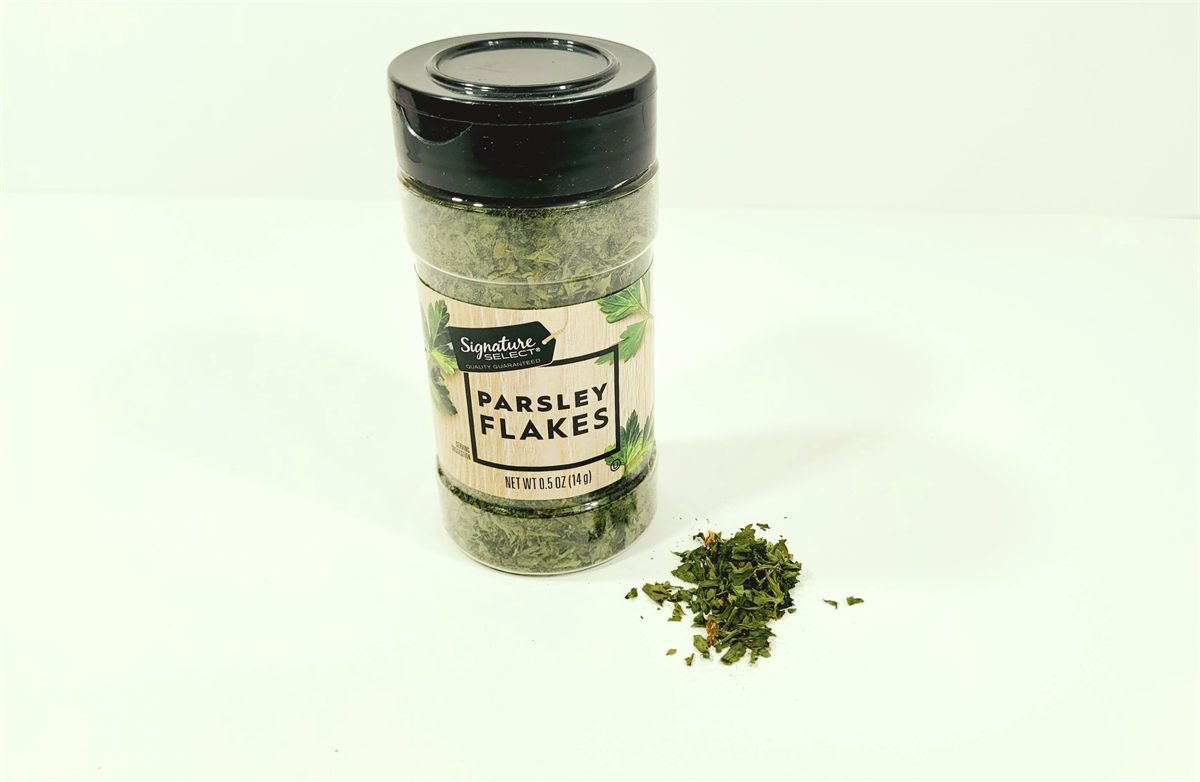
Growing Parsley Hydroponically
Native to the eastern Mediterranean region, parsley is now widely used in European and American cuisine. Its leaves are either utilized fresh or dried to form spice. Sometimes, it’s partnered up with…
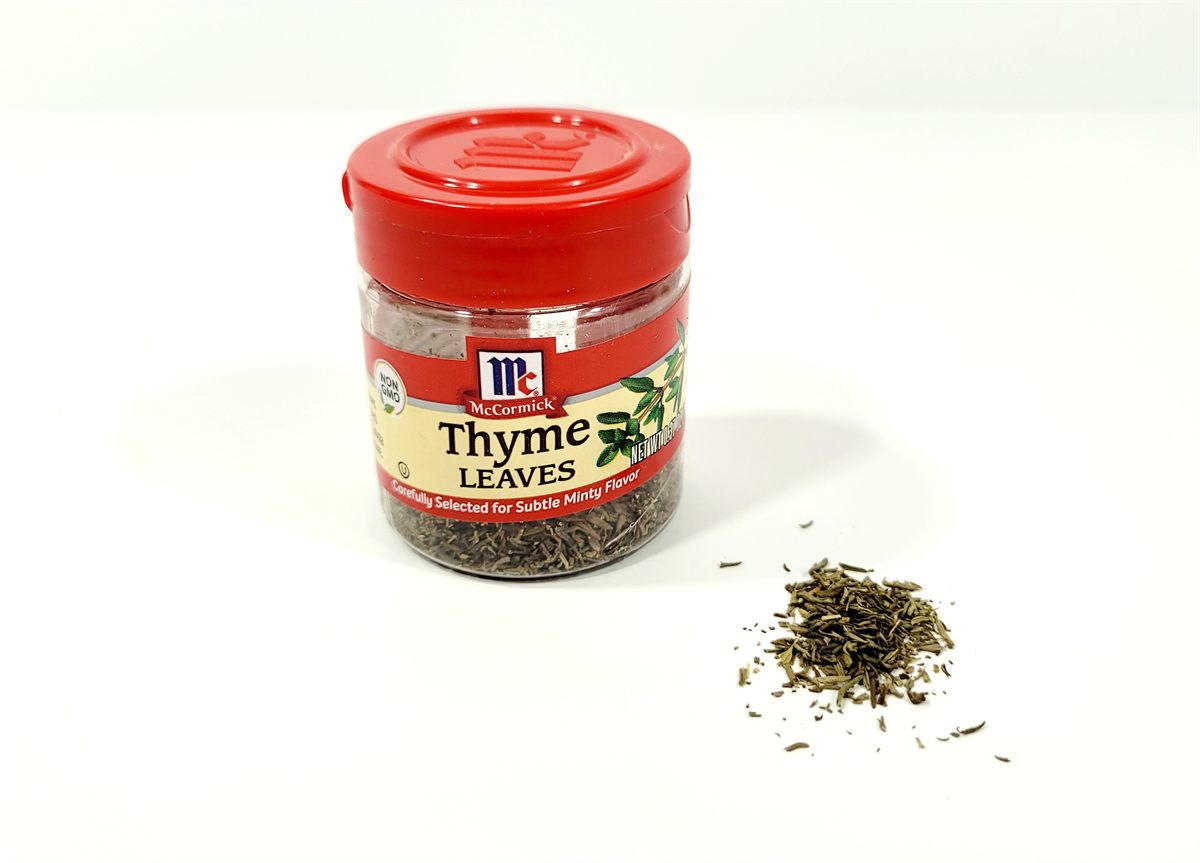
Growing Thyme Hydroponically
Thyme is a perennial herb that’s rich in nutrition as well as taste. And both these qualities are responsible for their culinary and medicinal uses. Here’s a brief overview of their chemistry…
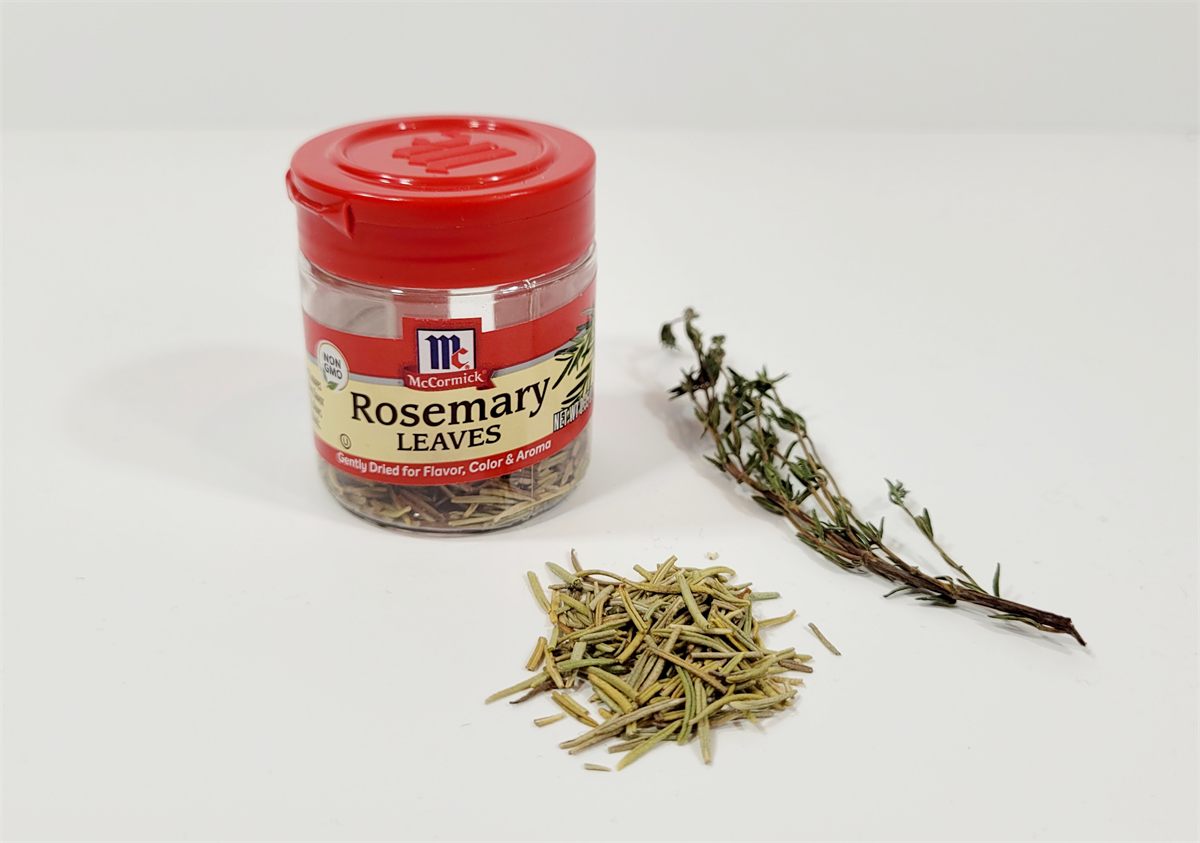
Growing Rosemary Hydroponically
Rosemary is a fragrant evergreen herb with plenty of cooking and industrial applications. It is often used as a culinary spice in cuisine preparations, while the industrial applications revolve around pharmaceutical and…