
Hydroponics and Health Benefits of Peppermint
Peppermint is a common kind of mint that is often found in gardens. It has a sharp smell and taste and is popularly used in candies and desserts. It is also a well-known additive for herbal teas, where it acts as a digestive and flavoring agent.
Hydroponics of Peppermint
Hydroponic System
Popular hydroponic systems used to grow peppermint are ebb and flow, bubble buckets, and nutrient film technique (NFT).
Temperature
The ideal temperature to grow peppermint lies between 60-to-70-degree Fahrenheit.
Nutrient Solution
Peppermint prefers a pH of 6.0 to 7.0 to grow. In addition, NPK fertilizer is recommended to increase plant height, weight, and yield of fresh material.
Nutritional Profile of Peppermint
Following are the nutrients that make up 100g of peppermint.
Calories
It contains 293 kJ of calories, which makes up 3% of total DV. (FoodData Central, 2019)
Carbohydrates
The highest concentration of any nutrient in peppermint is that of carbohydrates at 14.9g. It comes out to 5% of total DV. (FoodData Central, 2019)
Minerals
Peppermint is an important source of magnesium, phosphorus, potassium, iron, and calcium. (FoodData Central, 2019)
ORAC Value
The ORAC count of peppermint is 13978 units.
Health Benefits of Peppermint
Remedies for the Body
Peppermint is calming herb, which is often used for indigestion or to soothe an upset stomach. Moreover, placebo-controlled studies revealed that peppermint oil is used for a number of gastrointestinal conditions, such as stomach pain, IBS, as well as feelings of illness after surgery. It works against damaging microbes and regulates muscle relaxation, as well as aid in controlling inflammation. (Bruno P. Chumpitazi, 2018)
Chemistry of Peppermint
The primary constituents of peppermint are menthol and menthone. In addition, menthyl acetate, limonene, beta-caryophyllene, and beta-pinene are also found in this herb. (Erich Schmidt, 2009)
References
- Bruno P. Chumpitazi, G. K. (2018). The physiologic effects and safety of Peppermint Oil and its efficacy in irritable bowel syndrome and other functional disorders. Aliment Pharmacol Ther., 738-752.
- Erich Schmidt, S. B. (2009). Chemical composition, olfactory evaluation and antioxidant effects of essential oil from Mentha x piperita. Nat Prod Commun.
- FoodData Central. (2019, April 1). Retrieved from US Department of Agriculture: https://fdc.nal.usda.gov/fdc-app.html\#/food-details/173474/nutrients
Keep reading
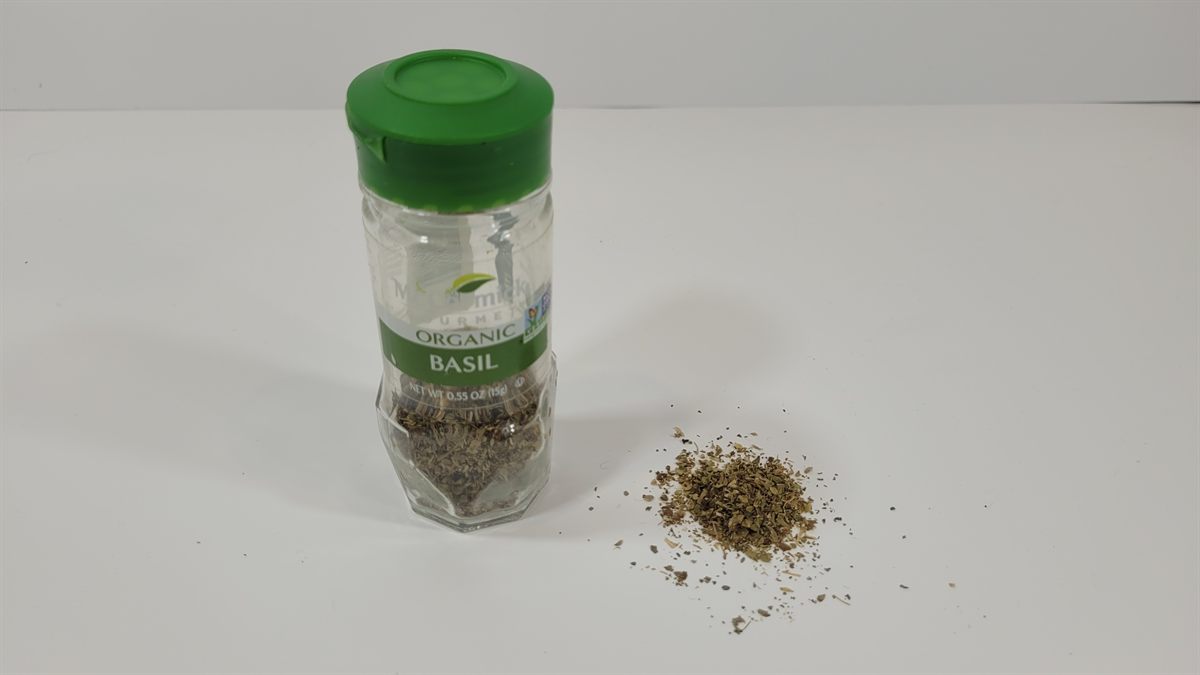
Growing Basil Hydroponically
Basil is essentially a herb. But it’s frequently used as a spice in kitchens because of its aroma and peppery taste. Basil is an essential ingredient in Italian and Indian culinary preparations…
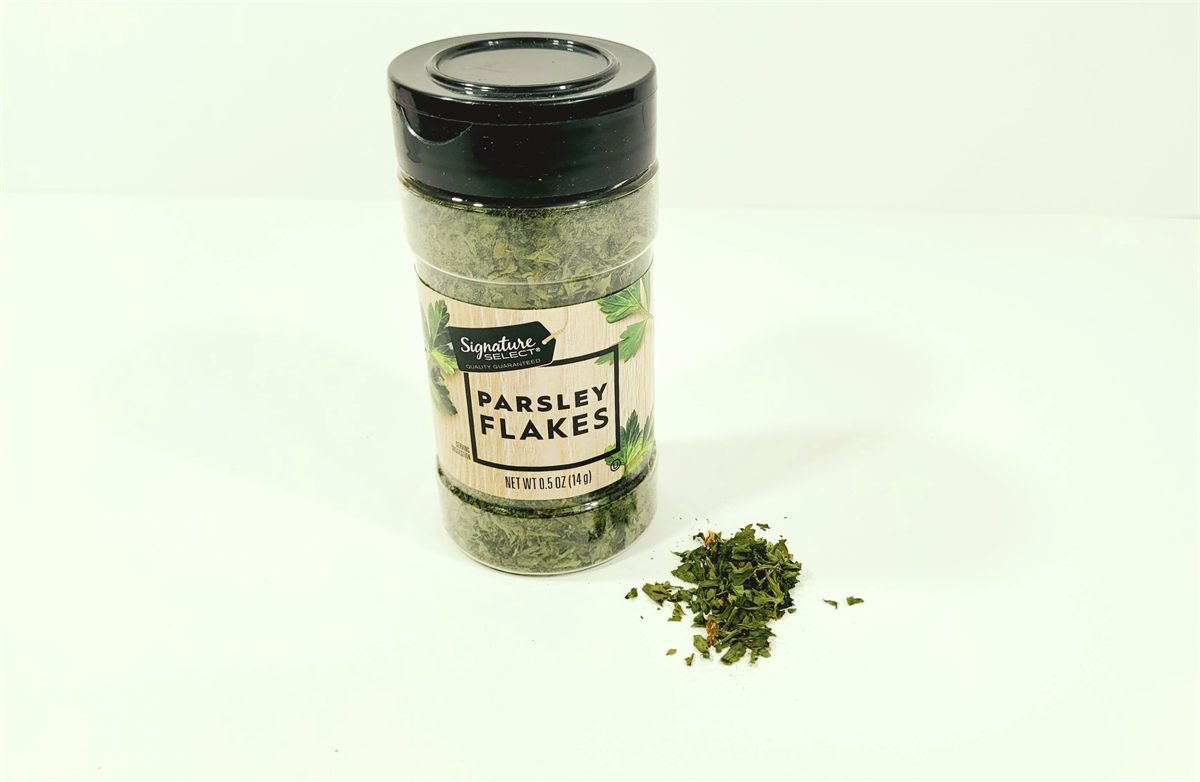
Growing Parsley Hydroponically
Native to the eastern Mediterranean region, parsley is now widely used in European and American cuisine. Its leaves are either utilized fresh or dried to form spice. Sometimes, it’s partnered up with…
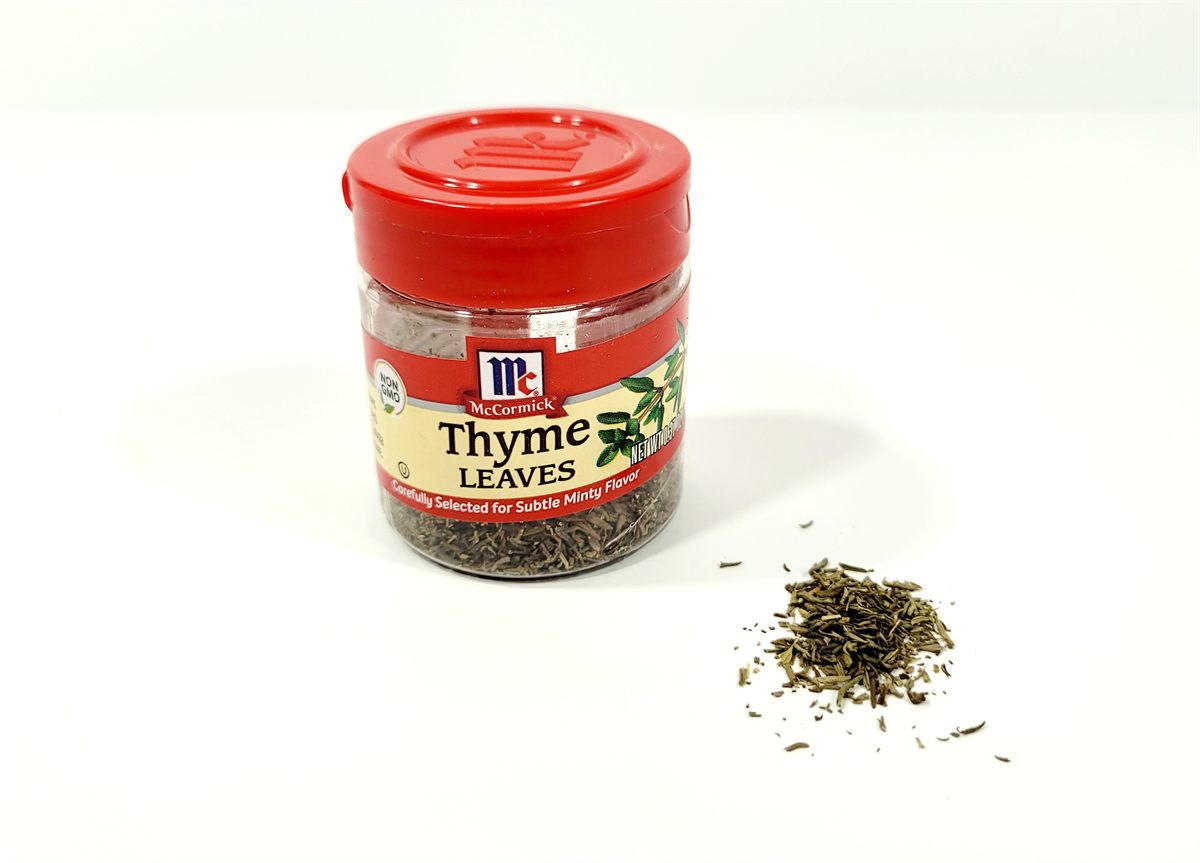
Growing Thyme Hydroponically
Thyme is a perennial herb that’s rich in nutrition as well as taste. And both these qualities are responsible for their culinary and medicinal uses. Here’s a brief overview of their chemistry…